








How to choose clothes for a changing body
A full elastic waistband, stretch-and-recovery knits, adjustable ties, and roomy shapes adjust to you. Buy for the body you have today.
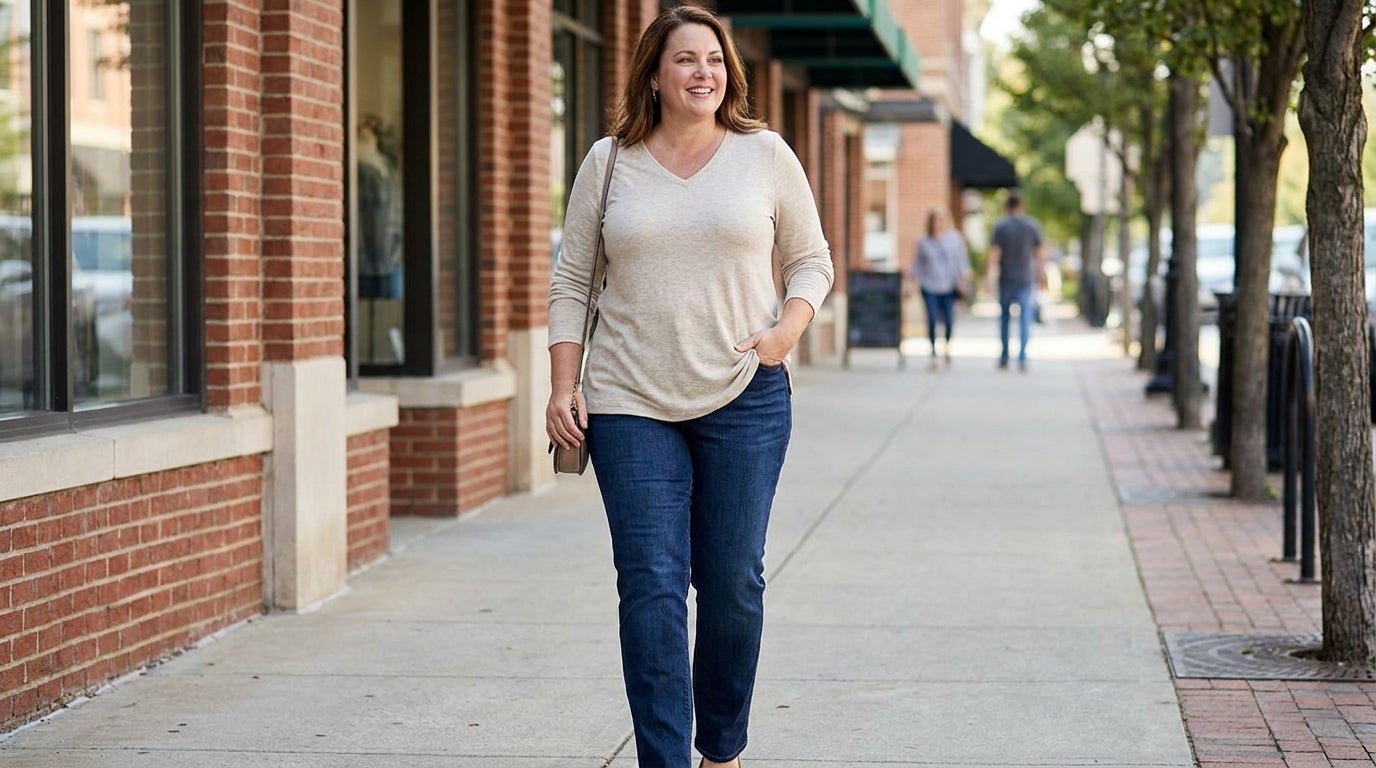
Bloating, the time of day, a different fabric, water retention: your body measurements continuously move, and no single size fits all of it. The fix isn't picking a size and hoping. Choose clothes for a changing body by looking for a comfy elastic or smocked waistband, a knit fabric with real stretch and recovery, a drawstring or tie you can reset, and shapes with room already built in. Buy for the body you have this week, and let the garment do the adjusting.
How to build a wardrobe that still fits next week or month
Six checks, done once per piece, save you from guessing every time you shop.
- Measure before you buy, even if you've bought this size before. A waist number from six months ago won't tell you what fits this week. Measure over what you'd actually wear it with, and buy to that number.
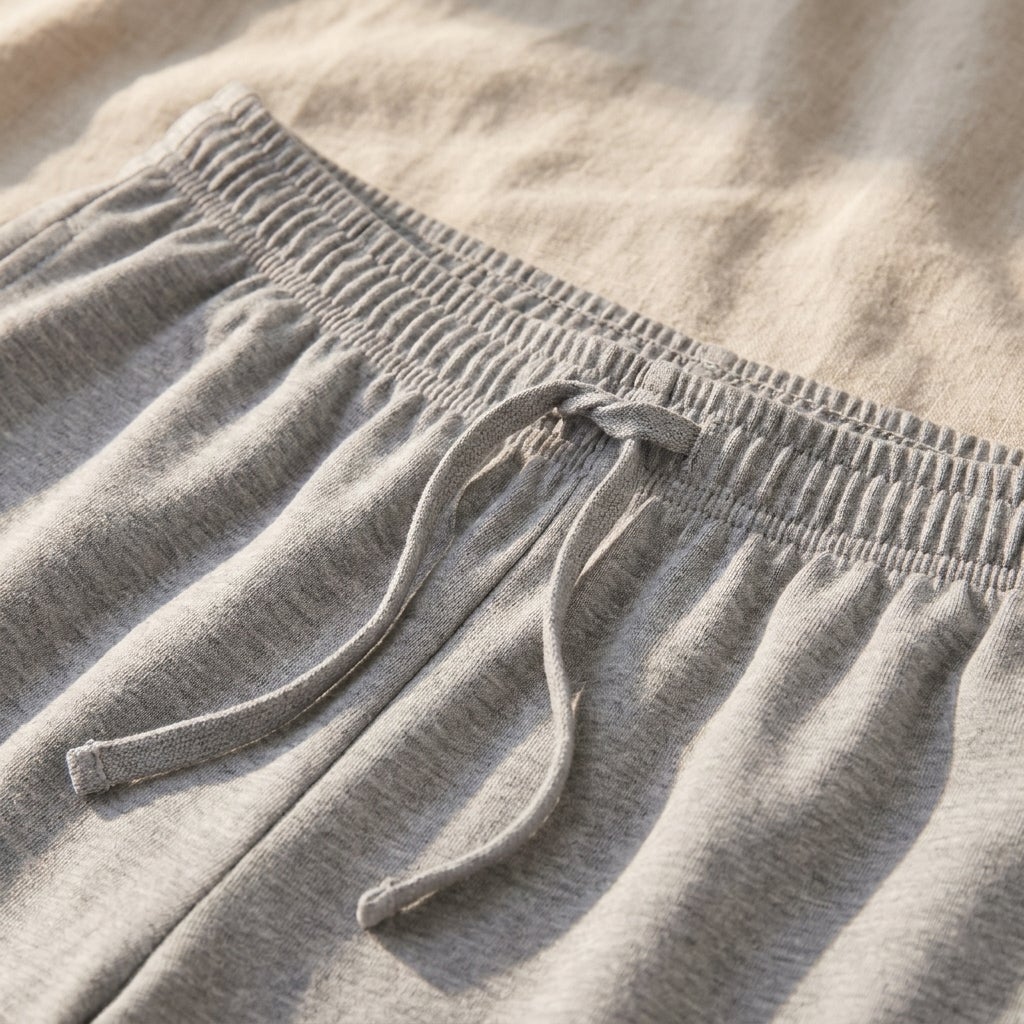
- Choose a full elastic waistband over a fixed closure. A waistband that circles the whole waist, rather than fastening at a single button or hook, pulls in and lets out with you. The 7-Day Straight-Leg Elastic-Waist Stretchy Knit Pant uses a full elastic waistband finished to sit at the waist without digging or gaping. Reviewers describe it plainly: "The waistband stays in place without feeling too tight."
- Pick a knit with stretch and recovery, not just stretch. Some fabric gives once and stays given, sagging by afternoon. What you want is a knit that springs back to shape after it stretches. One reviewer put it this way: "It is comfortable, it doesn't ride up, maintains its shape wash after wash."
- Look for a second adjustment point. A drawstring or tie waist adds a manual reset on top of the elastic. The Sport Knit Straight-Leg Elastic Pant pairs a full elastic waistband with an adjustable inner drawstring, so a secure, customizable fit stays put without digging. As one reviewer noted of a tie waist, it "permits fit even in slightly in-between sizes."
- Choose a shape with room already built in. A straight-leg or wide-leg pant, an A-line skirt, or a tunic length gives you ease through the hip and midsection without needing a size change. The Perfect Short-Sleeve Shirred V-Neck Tunic is a 30-inch length designed to skim rather than sit tight. Reviewers call the relaxed fit "really like the relaxed fit, not too tight."
- Check the category, not the brand. "True to size" isn't one answer across everything you own. In this brand's own customer review data, knit bottoms may run large, including the Elastic-Waist Pull-On Knit Pocket Capri Pants, built with a smocked elastic waistband for a smooth, flexible fit. Look up the fit note for the specific category before you decide a size.
Sizing runs true to size in our brand
Remember that shopper's reviews, such as "runs large" or "runs small", are most often highly subjective. It's important to note that our Size Charts run true to size, and are tailored to match each garment's construction, fabric and product features precisely.
If you're stocking a mixed wardrobe of knit pants, tunics, and other categories, check each one's own product fit details on the product page, instead of assuming one fit and size rule covers your whole shopping cart.
| Category | What Reviewers Report |
|---|---|
| Knit bottoms and tunics | May run large |
| Bras | May run small |
The mistake that costs you a return
The most common error isn't picking the wrong size. It's sizing a purchase off how a different item, in a different fabric, fit you before. A knit pant and a bra don't share a fit curve, and neither do a knit tunic and a woven blouse. That's a guess, not a rule.
How to check you got the fit right
Try the piece on and sit down before you decide. A waistband that's right won't dig in when you sit, and it won't gap and slide when you stand back up.
- The waistband stays in place without digging in when you sit, bend, or reach.
- The knit springs back to its shape after you move; it shouldn't stay stretched out at the knee or seat.
- There's room through the hip and thigh without the fabric pulling or bunching at the seams.
- A tie or drawstring holds where you set it through a full day, not just when you first put it on.
If any of those fail on the size you'd normally buy, size up rather than sizing down and hoping the fabric gives. A knit with real stretch and recovery, worn slightly roomier, holds its shape better over a full day than a tight fit ever will.
Frequently asked questions
Are these true to size?
It depends on the category, and the brand. It's best to measure yourself and order the size which most closely aligns with your exact measurements. Check the fit notes for the specific category and item before you order.
Is the fabric stretchy, and does it stay stretched by the end of the day?
The knits used in these pieces are built for stretch and recovery: they give with movement, then spring back to shape. Reviewers describe the difference as staying in place without digging, rather than sagging out by afternoon.
I wear one size in shirts and a different size in pants. Which size do I buy?
Buy each category to its own size chart rather than converting from one to the other. Tops, bottoms, and bras each have their own fit curve, so a single conversion rule across categories will be wrong more often than it's right.
How do I know if a waistband will dig in later in the day?
Look for "full elastic waistband" or "smocked" in the product description, and check reviews for that specific item. A full elastic band that circles the whole waist recovers through the day; a band that fastens at one fixed point doesn't.