Seated Exercise Equipment for Plus Size Home Routines

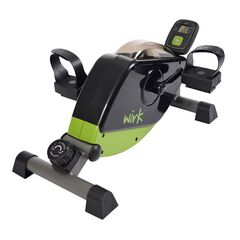
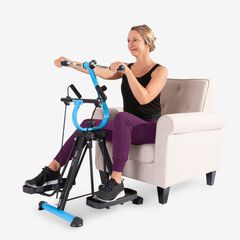
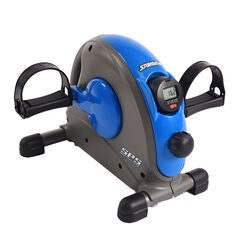
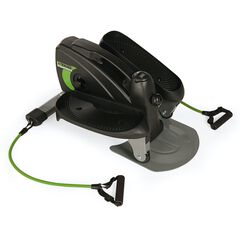
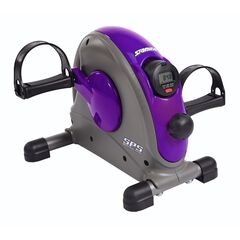
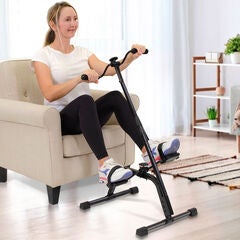
Make a fresh start right at home! Explore seated exercise equipment, including compact mini exercise bikes and striders with adjustable resistance. Choose the features that work for your space and everyday routine, whether you’re pedaling during a TV break or setting aside time to move.
SORT BY

Sort By

Sort By

FILTER BY

Seated Exercise Equipment for Plus Size Home Routines

Seated exercise equipment for plus size home routines brings gentle movement and adjustable resistance into a familiar, comfortable space. The category includes compact pedal exercisers, resistance bands, and handheld resistance tools that can be used while sitting in a supportive chair. Depending on the equipment and how it is used, seated exercise can support leg movement, upper-body strength, and everyday mobility without requiring a standing workout. Low-impact movement generally involves less pounding than activities such as running or jumping, but comfort still depends on the resistance, range of motion, and support that suit you. These options may appeal to beginners, people who prefer seated activity, or anyone who wants more variety in a home routine. A comfortable setup starts with enough room for your body to move freely. Seat width, seat depth, back support, and space around the knees all matter, especially when a pedal unit sits in front of a chair. A sturdy, nonrolling chair with a suitable weight capacity provides a more dependable base than a swivel chair or a seat that slides easily. Armrests may offer welcome support, though their height and placement can affect room for arm movements. For equipment with a built-in seat, the stated user weight capacity and usable seat dimensions deserve equal attention. For separate floor pedals, a listed capacity may refer to pressure on the mechanism rather than permission to stand on it. Clear manufacturer instructions help distinguish equipment designed for seated use from equipment intended to support your full body weight. Compact dimensions are useful, but a comfortable fit means more than finding something that fits beneath a table. Your knees need clearance through the full pedal turn, and your feet need a secure place to rest without a tight strap pressing across the top. The best match for your space is equipment that feels accessible and steady, with controls you can reach without twisting or leaning far forward.

Materials and construction make a noticeable difference in how seated exercise equipment feels during everyday use. Metal frames can provide a firm foundation, while molded housings cover moving parts; the overall design, base width, and condition of the feet also affect stability. Rubberized feet or an appropriate nonslip mat can help limit movement on compatible flooring, although neither replaces a level surface or the setup described by the manufacturer. Pedal exercisers vary in resistance mechanism, adjustment range, and the smoothness of each rotation. A comfortable starting resistance and small, manageable adjustments can be more useful than a high maximum setting. Large adjustment knobs, readable displays, and straightforward controls are practical features when bending or reaching is difficult. For resistance bands, material, length, and handle design all influence fit. Latex and latex-free options require different attention to sensitivities, and resistance levels are not standardized across manufacturers. A color alone does not tell you how much effort a band will require. Longer bands may offer more room for a comfortable starting position, while broad handles or soft grip surfaces can be easier to hold than narrow edges. Handheld weights also vary in grip thickness, surface texture, and balance. A padded or textured finish may feel comfortable, but it should still allow a secure hold without excessive squeezing. Adjustable straps and closures deserve a close look wherever equipment meets your hands or feet. Enough adjustment room matters for wider feet, supportive shoes, or a grip that changes from day to day. For shared living spaces, operating noise and vibration are worth considering alongside size. A quiet mechanism can make a short session more pleasant near a television or conversation. Storage features matter, too. A carrying handle, manageable equipment weight, and a storage spot within easy reach can make the difference between a useful everyday basic and something that is awkward to bring out.

Comfortable home exercise also depends on the small details around the equipment. A clear patch of floor gives pedals room to stay level and keeps bands away from sharp furniture edges. Adequate space around your chair makes it easier to sit down, get settled, and move away when finished. Clothing should allow easy movement through the shoulders, waist, and hips without loose fabric hanging near moving parts. Breathable fabrics, comfortable armholes, and a hem that stays comfortable when seated can help you focus on movement rather than constant adjustments. Explore Plus Size Exercise Tops for clothing to consider alongside your home routine. Equipment care is usually straightforward, but the right method depends on the materials and any electronic components. Manufacturer-approved cleaning helps protect grip surfaces, padded areas, and displays. A lightly damp cloth may be appropriate for some hard surfaces, while soaking or harsh cleaners can damage finishes and mechanisms. Resistance bands need regular checks for small tears, cracks, thinning, or changes around the handles and attachment points. Equipment with pedals or adjustable fittings benefits from checks for loose parts, worn straps, and feet that no longer grip as intended. Replacement parts and clear care instructions can help support longer use. Storage away from direct sunlight, excess heat, and sharp edges is especially important for elastic materials. These practical details matter whether the equipment is used for a few minutes of gentle pedaling or a longer seated resistance session. For someone managing an injury, a recent procedure, or a condition that affects movement, a healthcare professional can help identify appropriate equipment and activity limits. As a gift, exercise equipment is most thoughtful when the recipient has expressed interest and their space, preferences, and comfort needs are understood. Adjustable features can offer flexibility, but they do not replace a suitable fit. Choose around the person’s preferred movement and everyday routine, with comfort, dependable construction, and easy care at the center.

Frequently Asked Questions