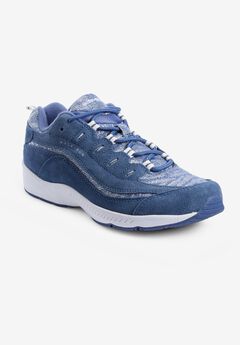
1. All-Day Comfort
Look for shoes with ample cushioning and support to reduce foot fatigue during long shifts. Memory foam insoles, padded collars, and shock-absorbing soles can make a big difference.
 The Ultimate Plus
 Stylish, Feminine
 We Fit You Beautifully
 Your Life,
 Make every day
 Classics Redefined
 Modern
 Confidently Current
 Fashion first,
 The Swim Experts,
  The Ultimate
 The best fitting bras,
 The most comfortable
 Everything to Decorate,
 The Big & Tall
 Lowest Prices on
Finding the right shoes is essential for nurses who spend long hours on their feet. Here are key aspects to consider when shopping for nursing shoes.
1. All-Day Comfort
Look for shoes with ample cushioning and support to reduce foot fatigue during long shifts. Memory foam insoles, padded collars, and shock-absorbing soles can make a big difference.
2. Slip Resistance
Hospital floors can be slippery, so slip-resistant outsoles are crucial for safety. Check for shoes that specifically mention non-slip or slip-resistant features.
3. Easy to Clean
Nursing environments can get messy, so choose shoes made from materials that are easy to wipe down or machine wash. This helps maintain hygiene and keeps your footwear looking fresh.
4. Proper Fit & Support
A good fit is essential to prevent blisters and discomfort. Consider options with adjustable straps or laces, wide-width availability, and arch support tailored to your foot type.
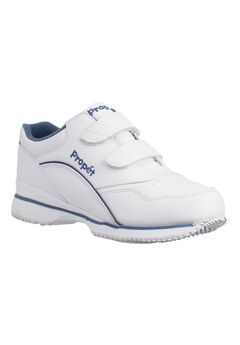
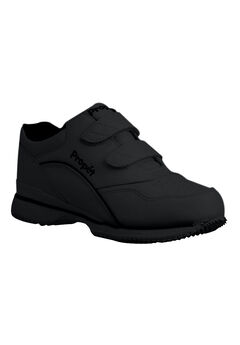
A comfortable leather sneaker with Velcro® straps, cushioned insoles, and a flexible rubber outsole.
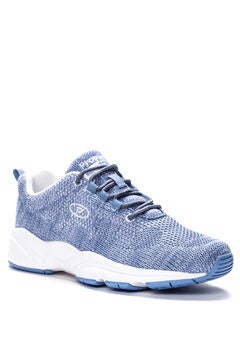
A white precision knit mesh sneaker with a roomy toe box and supportive EVA midsole for stability.
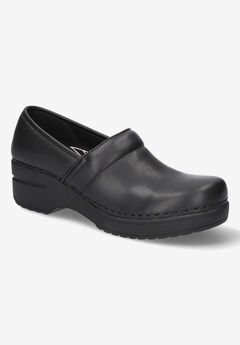
A black clog with slip-resistant outsole and cushioned, antimicrobial insole for all-day comfort.
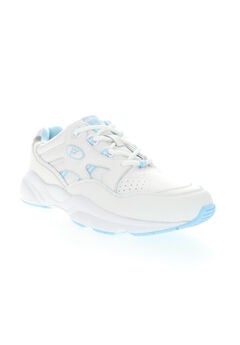
A supportive leather sneaker with memory foam and a roomy toe box for enhanced stability.
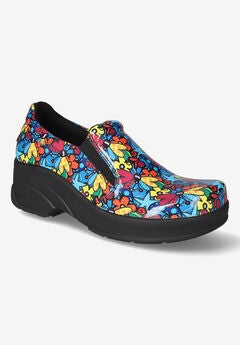
A leather slip-on shoe with elastic goring, padded comfort, and water-resistant rubber outsole.
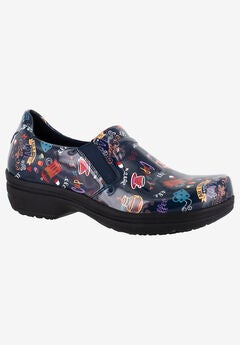
A navy leather slip-on with a padded vamp, arch support, and slip-resistant rubber outsole.
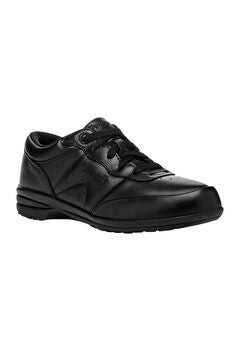
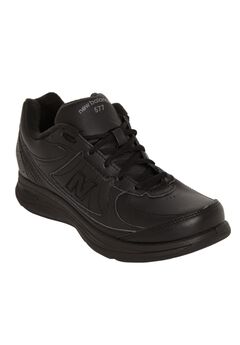
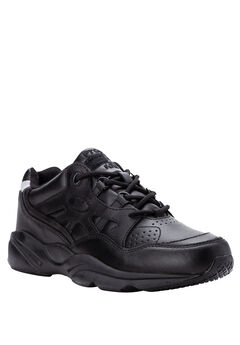
A black sneaker with a machine washable leather upper and cushioned EVA outsole for extra traction.
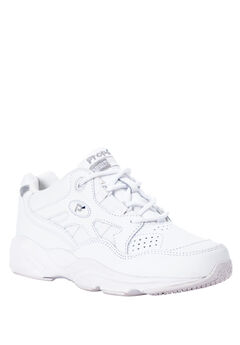
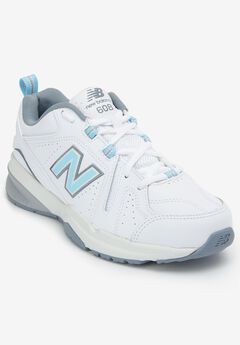
A white leather sneaker with a roomy toe box, memory foam, and slip-resistant rubber outsole.

A blue sneaker with slip-resistant outsole and high rebound EVA midsole for superior comfort.
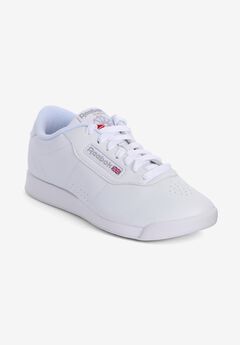
A white lace-up sneaker with a synthetic leather upper and shock-absorbent midsole cushions.
When choosing shoes for nursing, look for options with cushioned insoles, arch support, slip-resistant soles, and breathable materials. Lightweight construction and easy-to-clean surfaces are also important for comfort during long shifts.
Both slip-on and lace-up shoes have their benefits. Slip-ons offer convenience and quick changes, while lace-ups can provide a more customized fit. The best choice depends on your personal preference and workplace requirements.
It's generally recommended to replace nursing shoes every 6 to 12 months, depending on how frequently they are worn and the level of wear and tear. Regularly inspect your shoes for signs of breakdown or loss of support.
Most healthcare facilities require closed-toe shoes for safety reasons. Closed-toe designs help protect feet from spills and dropped objects, making them the preferred choice in nursing environments.
Nursing shoes made from leather or high-quality synthetic materials are popular because they are durable and easy to clean. Mesh panels can add breathability, while rubber outsoles provide good traction on hospital floors.